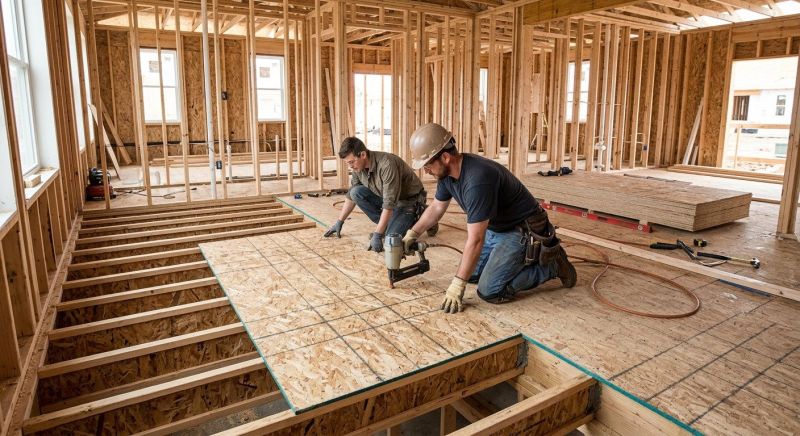
Subfloor Installation in Wilmington, NC
Subfloor installation services involve preparing and laying the foundational layer beneath the finished flooring in a property. This process is essential for ensuring a stable, level surface that supports various types of flooring materials such as hardwood, laminate, tile, or carpet. Projects typically include replacing damaged or outdated subfloors, upgrading existing ones for improved support, or creating a new subfloor in construction or renovation projects. Property owners often seek this service to address issues like uneven floors, squeaking sounds, or moisture damage, aiming to improve the durability and safety of their flooring system.
Before requesting subfloor installation, property owners usually want to understand the scope of the work involved, including the condition of the existing subfloor and whether repairs or complete replacement are necessary. It’s also helpful to consider the types of flooring that will be installed afterward, as different subfloor materials and methods may be recommended based on the project’s needs. Clarifying these details can ensure the proper materials and techniques are used for a long-lasting, stable flooring foundation.
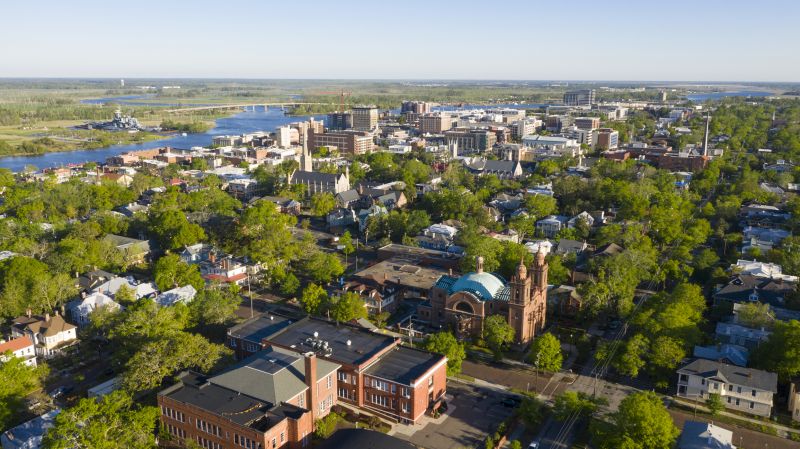
Many property owners in Wilmington, NC look into Subfloor Installation for repairs, replacements, upgrades, and appearance-related improvements.
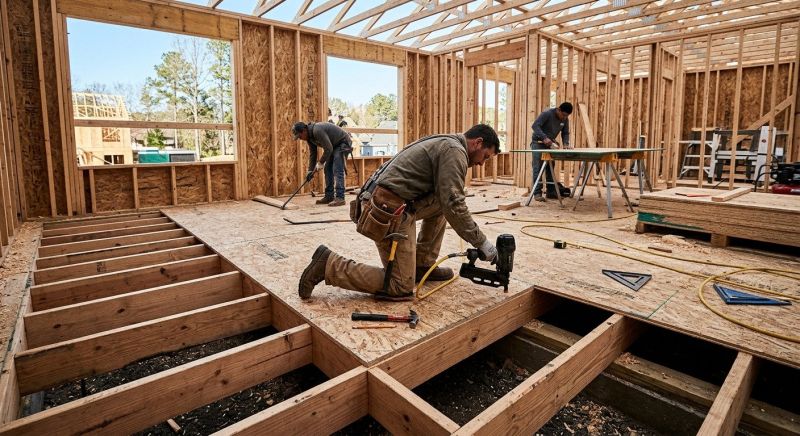
Subfloor Material Options
Choosing the right subfloor material is essential for durability and performance in wilmington homes.
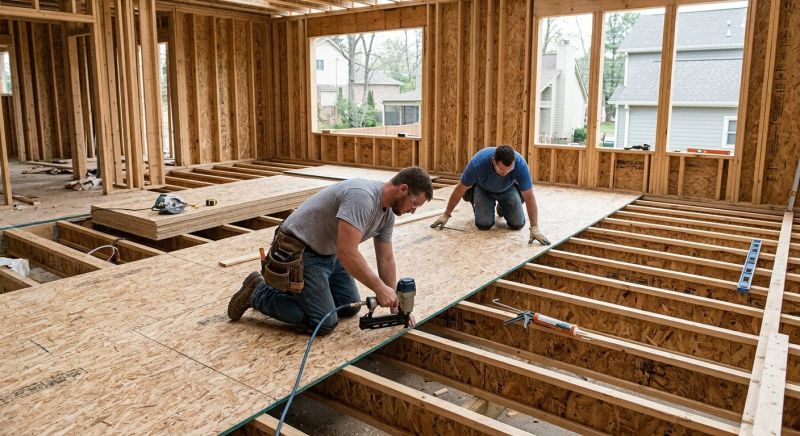
Common Subfloor Issues
Problems like moisture damage and uneven surfaces can affect the stability of your flooring system.
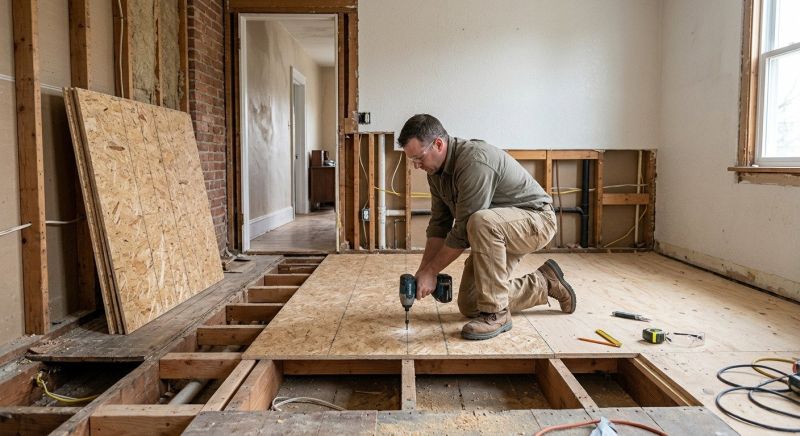
Installation Considerations
Proper subfloor installation ensures a solid foundation for various flooring types in residential and commercial spaces.
Subfloor Installation in Wilmington, NC
Subfloor installation services involve preparing and laying the foundational layer beneath the finished flooring in a property. This process is essential for ensuring a stable, level surface that supports various types of flooring materials such as hardwood, laminate, tile, or carpet. Projects typically include replacing damaged or outdated subfloors, upgrading existing ones for improved support, or creating a new subfloor in construction or renovation projects. Property owners often seek this service to address issues like uneven floors, squeaking sounds, or moisture damage, aiming to improve the durability and safety of their flooring system.
Before requesting subfloor installation, property owners usually want to understand the scope of the work involved, including the condition of the existing subfloor and whether repairs or complete replacement are necessary. It’s also helpful to consider the types of flooring that will be installed afterward, as different subfloor materials and methods may be recommended based on the project’s needs. Clarifying these details can ensure the proper materials and techniques are used for a long-lasting, stable flooring foundation.
Many property owners in Wilmington, NC look into Subfloor Installation for repairs, replacements, upgrades, and appearance-related improvements.
Common Subfloor Installation Jobs
Subfloor Installation - Provides a stable and level base for new flooring projects.
Subfloor Replacement - Addresses damaged or rotting subfloor sections to prevent future issues.
Subfloor Repair - Fixes squeaks, uneven surfaces, or water damage for improved floor stability.
Concrete Subfloor Installation - Prepares a durable foundation for a variety of flooring types.
Wood Subfloor Installation - Ensures a secure and even surface for hardwood or laminate flooring.
Subfloor Insulation - Enhances energy efficiency by adding insulation beneath the floor.
Subfloor Installation Questions
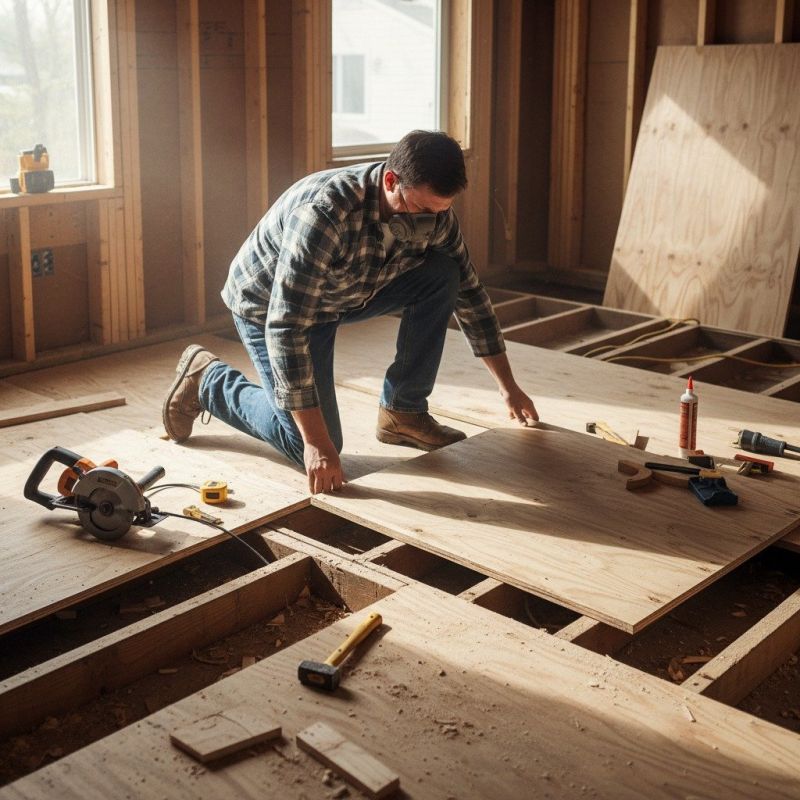
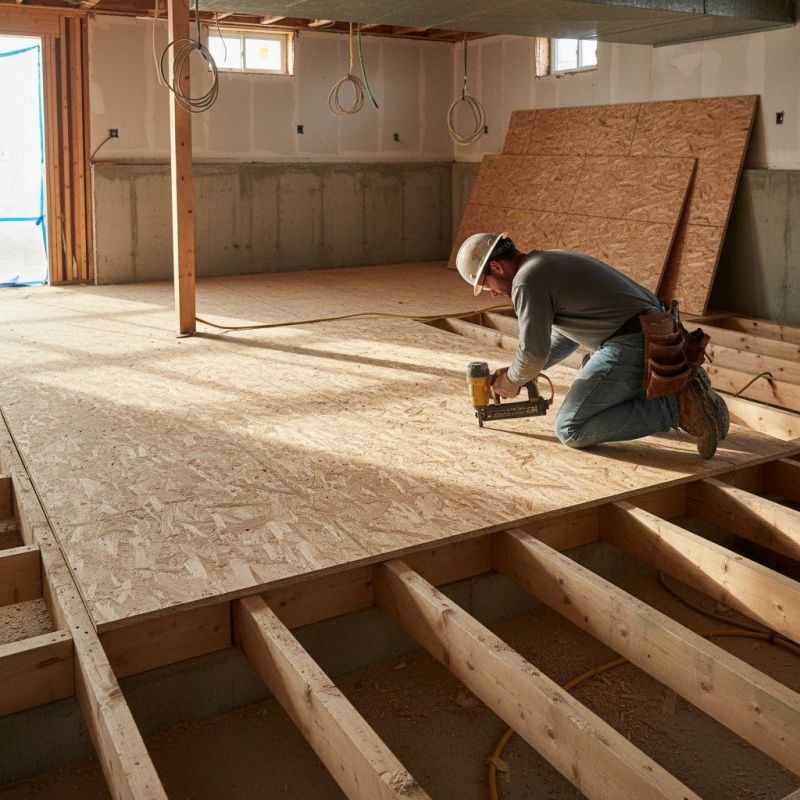
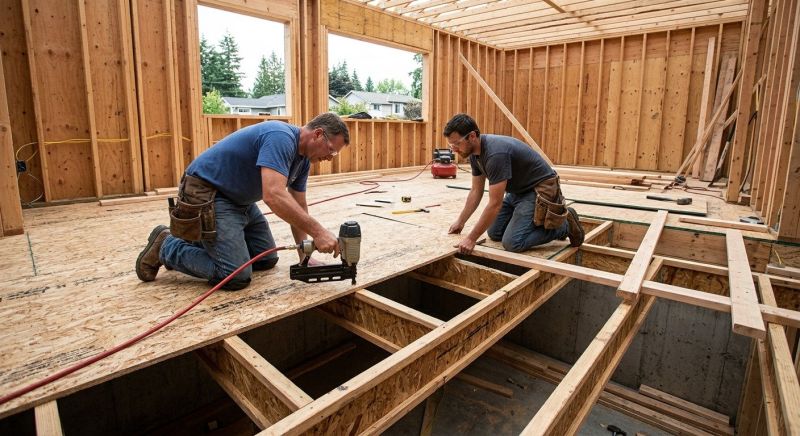
What is subfloor installation? Subfloor installation involves laying a supportive base beneath the finished flooring to ensure stability and durability in areas like kitchens, bathrooms, and basements.
When should a property owner consider replacing the subfloor? Replacement is recommended if the existing subfloor is damaged, warped, or water-logged, which can affect the integrity of the new flooring.
What types of subfloor materials are commonly used? Common materials include plywood, oriented strand board (OSB), and concrete, chosen based on the specific needs of the space and existing structure.
What are typical signs that a subfloor needs attention? Signs include sagging, creaking sounds, uneven flooring, or visible damage or moisture issues in the subfloor area.
Request Subfloor Installation in Wilmington, NC
Use the quote form on this page to share the basics of your project and request more information for the type of work you need.